Creating a comfortable and productive home office is more than just choosing the right chair or desk; it’s about creating a space that promotes focus, wellness, and efficiency. With remote work now the norm, having the right home office essentials can make a significant difference in your performance and well-being on a daily basis.
From ergonomics to smart technology, to sensory design, and even little rituals, all the little details add up to the creation of a workspace that energizes instead of drains you. In this guide, we’ll discuss some important, practical, science-backed tools and creative tips that will help you create a comfortable, efficient, inspiring home office.
The 3 Zones of a Remote Workspace
Creating a productive home office is not just about having the right tools, it’s about how you structure your space. One effective approach is dividing your workspace into three distinct zones:
Focus Zone
- Dedicated area for deep work
- Equipped with an essential desk, an ergonomic chair, and minimal distractions
- Optimizes concentration and efficiency
Flow Zone
- Space for brainstorming, creativity, and idea generation
- Includes tools like whiteboards, notebooks, or digital tablets
- Encourages free-flowing thinking and problem-solving
Recharge Zone
- Small area for micro-breaks, stretching, or mindful pauses
- Helps reset energy and reduce mental fatigue
Organizing your home office around these different zones means that each different activity, whether it’s concentrating, creatively using your time, or resting, will have its designated area, which helps minimize mental clutter and helps make remote work more efficient and enjoyable.
Sensory Design: The Overlooked Essential
Many people do not pay sufficient attention to the factors that affect comfort and productivity within a home office environment, these tend to be sensory factors. Sensory design focuses on lighting, color, sound, and scent in the design of a balanced environment to support focus and reduce stress. Bright, natural light helps to improve energy and mood, and soft task lighting helps to prevent eye strain.
Calming colors, such as soft blues or greens, to help with concentration, and gentle background sounds or noise-canceling headphones are helpful in eliminating distractions. Even subtle smells can help to increase alertness or relaxation, like lavender or citrus. By consciously designing your workspace with the senses in mind, you can create the type of environment that not only looks good, but also feels comfortable, energizing, and conducive to productive work while remote.
Tech Essentials with a Mindful Twist
Technology is critical when working remotely, but the most important thing is to be careful with the tools that you use in order to help you focus and not get distracted. To begin with, you might need to have a good computer or laptop that has a second monitor to make the use of multitasking efficient. Invest in a fast-speed Internet connection and noise-canceling headphones to minimize interruptions.
Keep cables sorted and put wireless accessories to use when possible to ensure a clean & calm workspace. Productivity apps, cloud storage, and automated reminders help make tasks more efficient without overwhelming your attention. By properly selecting and arranging technology, you can develop a home office that works, is clutter-free, and conducive to comfortable and conscientious work habits throughout the day, and better focus throughout the day.
Comfort for Movement: The Active Workspace
Staying comfortable while working remotely isn’t all about a chair or a desk, it’s about movement throughout the day. Incorporating an active workspace can help to rid yourself of fatigue, poor posture, and a low energy level. Essentials for movement include having a standing desk or desk converter, a footrest or desk pedals, and room for stretching out or short exercises.
Setting reminders for micro-breaks is a good way to remind you to get up and stretch or take a short walk. Even small changes like going from sitting to standing will have a large effect on comfort and focus. Combining your home office essentials with a focus on movement, your workspace is for your productivity and physical well-being.
Home Office Essentials That Make a Big Difference
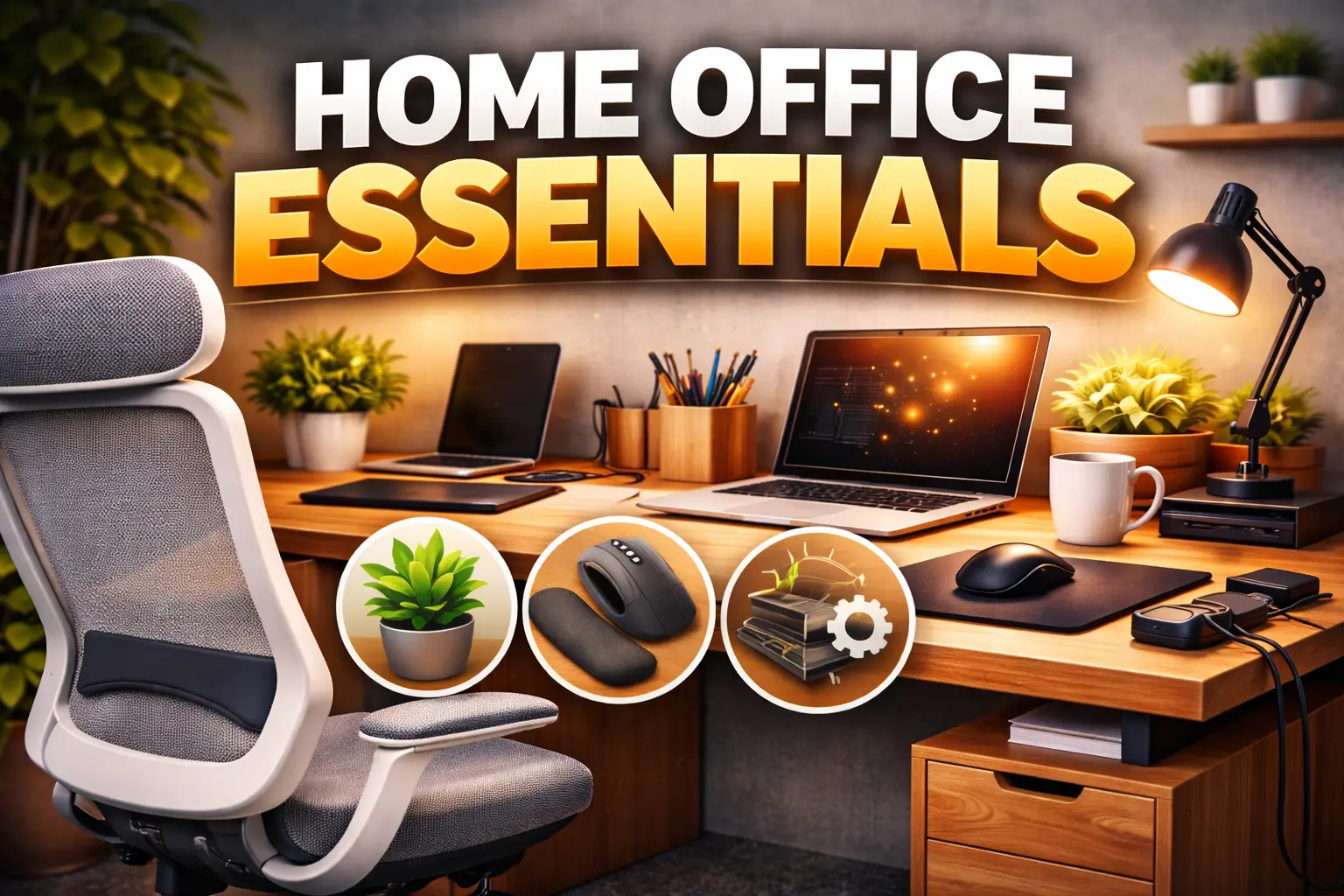
Sometimes, it’s the little things that make a home office from functional to actually comfortable. These essentials include ergonomic mouse pads, wrist supports, and cable organizers to reduce the amount of clutter and strain. Noise-canceling headphones or soft desk mats will help you to stay focused, while small plants or air purifiers will help improve air quality and create a calming atmosphere.
Even things like desk organizers, document trays, or adding minimal light can help streamline your workflow. These are subtle additions that are often overlooked but make a difference in comfort as well as efficiency. Integrating such micro-essentials into your home office essentials means having a home office space that feels organized, supportive, and that is unique to your productivity needs.
Personal Rituals as Workspace Essentials
While furniture and technology are important, personal rituals are an important part of the process of creating a comfortable and productive home office. Simple, deliberate habits help to cue the beginning and ending of work, focus, and alleviate stress. A slight morning routine to tidy your desk and/or check your to-dos, or doing a mindful breathing practice to set a productive tone.
Midday micro-breaks to stretch, walk, or do deep breathing reset energy and prevent fatigue. Closing rituals, such as looking over completed work or cleaning up your workspace, help to separate professional time from personal time. Incorporating these small rituals can make your home office into a support system of mindfulness.
Small Space, Big Impact: Minimalist Hacks
Maximizing comfort and productivity in a small home office needs to be smart and minimal solutions. Concentrate on the essentials that can perform many functions and eliminate clutter. Foldable desks, shelves that hang against walls, and vertical storage options allow the most space to be made from limited space and ensure that the items used frequently are kept within easy reach.
Choose furniture that has built-in storage to hide cables, documents, and accessories. Even small features like organizing cables or stackable trays can help make the workspace a neater and more efficient place. By thoughtfully selecting versatile pieces and keeping distractions to a minimum, you can transform a small space into a usable and comfortable home office that will promote focus and well-being.
Mistakes Even Smart Remote Workers Make
Even experienced remote workers may fall into some common traps that make them less comfortable and productive. Overloading the desk with gadgets and unnecessary things creates a visual clutter as well as a distraction. Ignoring ergonomics or proper lighting can contribute to fatigue, strain, and discomfort over time. Skipping micro-breaks or refusing to draw lines between working and living frequently results in burnout.
Another common mistake is having space that is underused and left disorganized or poorly zoned for various tasks. Recognizing these habits and adapting your setup helps ensure that your home office essentials are actually working for you in terms of focus, efficiency, and well-being to help make your work from home more productive and comfortable.
Conclusion
A well-designed home office is more than furniture and gadgets, it’s a space that is both comfortable, functional, and mindful. By incorporating the appropriate home office essentials, from ergonomic furniture to efficient technology to sensory design and simple daily rituals, you can create a workspace that facilitates focus, alleviates fatigue, and promotes overall well-being.
Keep in mind that the best setups are tailored, practical, and flexible to your lifestyle. Start small, work on what really makes a difference in comfort and productivity, and work up to make your environment better. With some deliberate design and with the right tools in place, your home office can be a sanctuary that will make the task of working remotely enjoyable as well as super efficient.
FAQs
What are the most important home office essentials for comfort?
Key home office essentials include an ergonomic chair, a supportive desk, proper lighting, needed tech, and even small items like organizers or plants. Incorporating mindful routines also helps to increase comfort and focus.
How can I make a small home office feel comfortable and productive?
Utilize vertical storage, foldable furniture, and multi-functional items. Keep clutter to a minimum and efficiently arrange things to maximize space.
Are personal rituals really essential for a home office?
Yes. Simple routines like morning setup, mid-day breaks, and end-of-day closure will help to maintain focus, reduce stress, and separate work and personal life.
How can I reduce distractions while working from home?
Create special spaces for focus, flow, and recharge, use noise-canceling headphones, and keep your workspace tidy.
What small items count as essential home office tools?
Small things, like wrist supports, cable organizers, desk mats, and plants, make a big difference. These home office essentials help make your office more comfortable, keep the workspace clutter-free, and be organized and productive.