
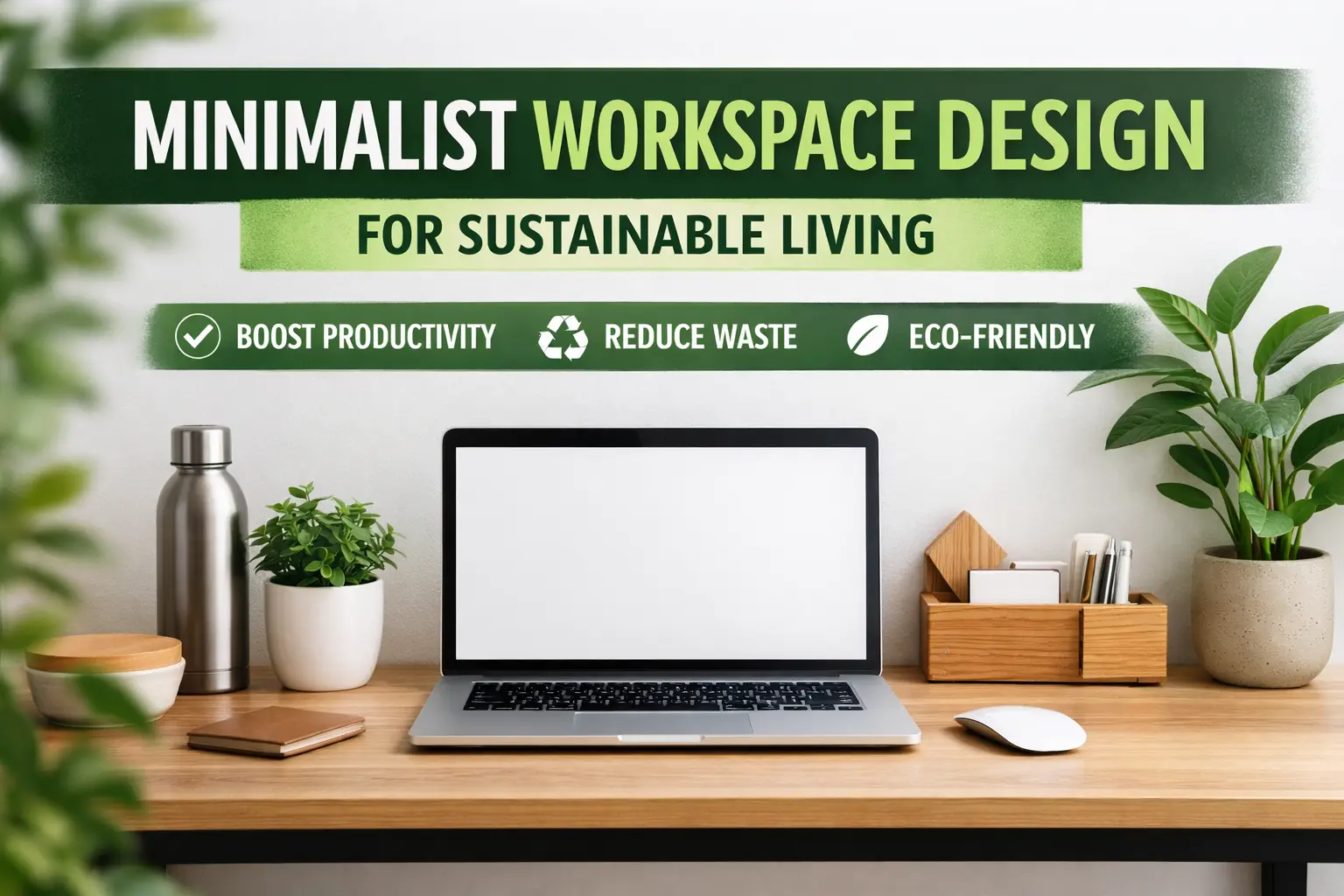
Minimalist workspace design is all about creating a clean, functional and clutter-free workspace that promotes productivity as well as sustainable living. Instead of cluttering a workspace with superfluous furniture, gadgets, and decorations, this approach focuses on simplicity, intentional choices, and resource efficiency. By only keeping necessary goods, individuals will be able to avoid material consumption, decrease energy use, and reduce waste in the workplace.
A well-planned minimalist workspace also leads to better focus and mental clarity, which makes it easier to get a handle on your daily tasks. As more people work from home or have flexible work options, minimalist workspace design has become an effective way to develop an organized, eco-friendly, and comfortable work environment that takes into account sustainable lifestyle goals.
What Is Minimalist Workspace Design?
Minimalist workspace design is a design philosophy that emphasizes simplicity, functionality, and the effective use of space. It is about keeping the essentials required for the work and removing the superfluous furniture, decorations and clutter. The idea is to have a clean and organized space conducive to concentration and efficiency.
In a minimalist workspace, everything has a purpose, including the desk and chair, storage solutions, and lighting. This design style also promotes mindful consumption, as it encourages staying out of spending on excessive accessories in favor of durable, high-quality items. By minimizing visual and physical clutter, the minimalist design of workspaces can help to create a calmer, more productive, and more sustainable work environment.
Environmental Benefits of Minimalist Workspace Design
Reduced Material Consumption
Reduced material consumption is one of the major environmental advantages of minimalist workspace design. By reducing the number of furniture, office supplies and decorations, fewer resources are needed for manufacturing and transportation. This approach promotes careful purchasing and longevity of products, which can help reduce waste, conserve raw materials, and contribute to more sustainable workplace practices in the long run.
Lower Energy Usage
Less energy usage is another benefit of minimalist workspace design. A simplified workspace usually uses fewer electronic devices and less lighting, which saves on electricity. By maximizing natural light and using energy-efficient equipment, individuals can create a comfortable work environment while minimizing their overall energy footprint and supporting more sustainable daily work habits.
Waste Reduction
The major benefit of minimalist workspace design is waste reduction. By using fewer disposable supplies and focusing on more durable, reusable supplies, less office waste is produced in the long run. This way of thinking mindfully promotes responsible consumption and prevents unnecessary purchases, which can help keep the workspace cleaner and contribute to more sustainable environmental practices.
Essential Elements of a Sustainable Minimalist Workspace
Multi-Purpose Furniture
Multi-purpose furniture is an important part of a sustainable minimalist workspace. Built-in storage desks, adjustable tables or foldable furniture can help make the most out of the space and provide less need for additional items. This approach is useful for efficient use of materials, less cluttered work areas, and a cleaner, more practical working environment.
Natural and Sustainable Materials
Natural and sustainable materials are the key in a minimalist workspace. Choosing furniture made of wood, bamboo or recycled material helps reduce the environmental impact. These materials are often durable and long-lasting while promoting sustainable living, while still maintaining a simple and clean workspace conducive to the principles of minimalist workspace design.
Digital Organization Instead of Paper
Digital organization instead of paper, contributes to a clean and sustainable minimalist workspace. Using digital notes, cloud storage, and online documents reduces the use of paper and physical clutter. This approach conserves resources, helps make information more manageable and keeps the workspace organized while promoting environmentally responsible work habits and long-term sustainability.
How to Create a Minimalist Workspace at Home
Start With Decluttering
Start by eliminating what is not needed for your work on that day. Decluttering helps to have a clean and organized workspace where only the essential tools are present. This simple step helps with focus, saves space and creates a base to build a minimalist workspace that is both productive and encourages sustainable living habits.
Choose Quality Over Quantity
Choosing quality over quantity is key to the minimalist workspace. Invest in quality and long-lasting furniture and tools rather than having many cheap and low-quality items. High-quality essentials last longer, eliminate excess, and minimize necessary replacements, benefiting both productivity and sustainability and maintaining a clean, functional and aesthetically pleasing workspace at home.
Optimize Layout for Simplicity
Optimizing layout for simplicity also improves efficiency while providing comfort in a minimalist workspace. Arrange essential furniture and tools where they can be easily accessed, and try not to overcrowd surfaces and create open spaces to encourage movement and focus. A thoughtfully organized layout will lead to fewer distractions, better workflow, and a calm, productive and sustainable workplace at home.
Add Natural Elements
Adding some natural elements to the minimalist workspace brings life and calmness to the space. Include plants indoors, natural light, or wooden accents to create a relaxing environment. These elements are good for air quality, they reduce stress, and they’ll also complement sustainable practices and keep your minimalist workspace clean, organized, and beautiful at home.
Minimalist Workspace Design for Remote and Hybrid Workers
Minimalist workspace design is particularly useful for remote and hybrid workers, who may be working in small or shared spaces. By focusing on essential furniture, multi-purpose pieces, and efficient layouts, workers can create functional environments without clutter. Portable desks, foldable chairs, and digital tools help keep the space flexible and free from physical and visual distractions.
Minimalist setups also promote sustainable practices, like using durable materials and reducing the use of disposable office supplies. For those in hybrid work, a simplified work area ensures seamless transitions between work at home and work at the office. Overall, minimalist design promotes productivity, comfort and sustainability, making it ideal for modern flexible work arrangements.
Common Mistakes to Avoid in Minimalist Workspace Design
When designing a minimalist workspace, some mistakes can undermine functionality and sustainability. Avoid taking out necessary things that will solve productivity because too much simplicity tends to cause frustration. Choosing low-quality and cheap furniture, instead of durable pieces, enhances waste over time.
Over-decorating or blindly following trends can clutter the space and take away from work. Neglecting ergonomics can also cause discomfort or health problems. Additionally, a lack of digital and physical organization diminishes the benefits of minimalism. Being conscious of these pitfalls will guarantee a workspace that is clean, efficient, comfortable and environmentally responsible while fully utilizing the concepts of minimalist design.
Practical Tips to Maintain a Minimalist Workspace
Maintaining a minimalist workspace requires consistent habits and mindful choices. Key practical tips include:
- Weekly decluttering: Regularly remove unnecessary items to keep the workspace clean.
- Sustainable purchasing: Invest only in durable, multi-purpose furniture and tools.
- Digital organization: Use cloud storage and digital note-taking to reduce paper clutter.
- Intentional decoration: Keep only functional or inspiring items on display.
- Routine maintenance: Wipe surfaces and organize supplies daily to prevent mess.
By following these practices, you can preserve a productive, calming, and eco-friendly workspace. Consistency ensures that minimalism remains effective, supporting both efficiency and sustainable living habits over time.
Future Trends in Sustainable Workspace Design
Future trends in sustainable workspace design are about the integration of minimalism, technology, and eco-friendly practices. Innovative furniture made from recycled or renewable materials will become more common, while energy-efficient lighting and smart climate control systems will cut down on environmental impact. Biophilic design with the inclusion of plants and natural elements will improve well-being and productivity.
Modular and flexible workspaces will make it easy to adapt to remote or hybrid work. Digital tools will keep replacing paper in favor of a clutter-free, sustainable environment. In sum, the future workspaces will emphasize efficiency, environmental responsibility, and employee comfort, showing an increasing tendency towards sustainability and minimalist principles in the home and office space.
Conclusion
Minimalist workspace design can provide a practical and sustainable way to create efficient, organized, and eco-friendly workplaces. By prioritizing essentials, maximizing the use of durable materials, and minimizing clutter, individuals can enhance productivity while minimizing their environmental impact. Incorporation of natural elements, a digital organization, and thoughtful layouts also enhances comfort and well-being. For remote, hybrid, or home offices, minimalism promotes flexibility, simplicity, and conscious use of resources. Maintaining a minimalist workspace requires a certain level of consistency and deliberate choices, but the long-term benefits of reduced waste, decreased energy use, and a calming and functional space make it a worthwhile strategy for anyone looking for sustainable living through their workspace design.
FAQs
How does minimalist workspace design support sustainability?
It reduces the use of materials, energy, and waste by focusing on long-lasting and multi-purpose furniture, digital organisation, and eco-friendly materials.
What furniture works best in a minimalist workspace?
Multi-purpose desks, foldable chairs, adjustable tables and durable storage solutions are perfect for blending functionality and sustainability.
Can a minimalist workspace improve productivity?
Yes. Less clutter and distraction, along with an organized layout, provide focus, efficiency and work performance.
How do I start creating a minimalist workspace at home?
Begin by decluttering and keeping only the necessities, using high-quality furniture, maximizing the layout and adding natural elements such as plants and light to create a calm, sustainable environment.
Is minimalist workspace design suitable for remote and hybrid workers?
Absolutely. Minimalist configurations require less space, are easier to transition between, and enable more efficient, flexible, and environmentally friendly remote and hybrid work.